
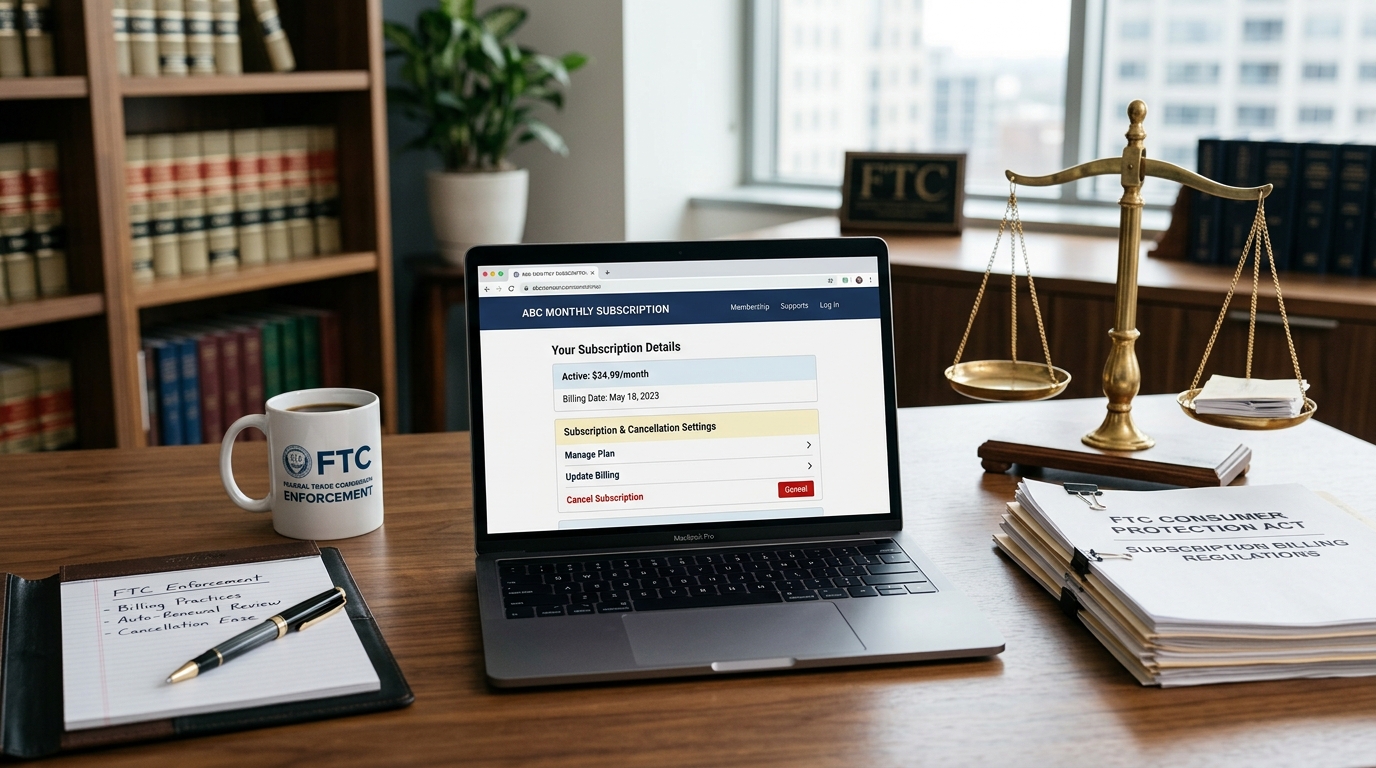
What is the FTC Amazon Prime subscription settlement and who is eligible for a refund?
The Federal Trade Commission (FTC) filed landmark federal enforcement proceedings against Amazon under the FTC Act and the Restore Online Shoppers' Confidence Act (ROSCA), alleging that Amazon used deceptive user interfaces ('dark patterns') to trick consumers into enrolling in recurring $14.99/month Prime memberships and intentionally engineered a convoluted 4-page, 6-click cancellation gauntlet internally codenamed 'Project Iliad'. Consumers who were unknowingly enrolled during checkout or attempted to cancel and were deterred may qualify for restitution and fee refunds.
FTC Amazon Prime Deceptive Billing & Settlement Refund Calculator
Audit your subscription history against the Federal Trade Commission's (FTC) "Project Iliad" dark pattern findings and calculate your potential restitution claim.
Under the FTC's codified Click-to-Cancel trade regulation, retailers must provide a cancellation mechanism that is at least as simple as the signup mechanism. If you signed up online in 1-click, you legally cannot be forced to navigate multi-page labyrinths or speak with a retention agent.
1Inside the FTC Lawsuit: How Amazon's 'Project Iliad' Trapped Millions of Consumers
In a landmark regulatory action filed in federal district court, the Federal Trade Commission challenged the subscription business model of the world's largest online retailer. The FTC's unredacted complaint alleged that Amazon leadership knowingly deployed manipulative, coercive user interface designs—known across the technology sector as 'dark patterns'—to enroll millions of consumers into automatic-renewing Prime memberships without their informed consent.
Central to the government's litigation was the revelation of an internal corporate design program named 'Project Iliad'—evoking Homer's epic Trojan War poem because navigating the cancellation process was engineered to be an agonizing, multi-layered odyssey. The complaint revealed that before 2023, consumers seeking to cancel Prime were subjected to a labyrinthine process requiring four distinct web pages, six separate clicks, and repeated misleading counter-offers designed to confuse users into abandoning their cancellation request.
- Deceptive Checkout Buttons: Modifying primary checkout buttons to state 'Get Free Two-Day Shipping' without clearly disclosing that clicking automatically enrolled the shopper in a recurring $14.99/mo ($139/yr) charge.
- Hidden 'No Thanks' Options: Obscuring single-purchase shipping options in small, muted grey fonts while highlighting Prime trial buttons in bright, prominent orange.
- Iliad Maze Architecture: Requiring consumers to click through repetitive warning screens ('Keep My Benefits', 'Switch to Annual', 'Remind Me Later') before reaching the actual cancellation confirmation.
2Statutory Violations: The Restore Online Shoppers' Confidence Act (ROSCA)
The legal foundation of the FTC's enforcement action rests upon two cornerstone federal statutes: Section 5 of the Federal Trade Commission Act (15 U.S.C. § 45), which prohibits unfair or deceptive acts or practices, and the Restore Online Shoppers' Confidence Act (ROSCA, codified at 15 U.S.C. §§ 8401–8405).
Enacted by Congress to protect internet consumers from negative-option billing traps, ROSCA mandates three strict statutory requirements for online merchants selling recurring subscriptions:
- Clear and Conspicuous Disclosure: Retailers must disclose all material terms of the transaction (including price, billing frequency, and recurring nature) BEFORE obtaining the customer's billing info.
- Express Informed Consent: Retailers must obtain affirmative, unambiguous consent from the consumer specifically for the recurring charge, distinct from the physical purchase of products.
- Simple Mechanisms for Cancellation: Retailers MUST provide a simple, immediate mechanism for a consumer to halt recurring charges—a requirement blatantly violated by Project Iliad's multi-screen maze.
3Are You Eligible for Restitution? Qualifying Tiers & Usage Benchmarks
As the litigation advances toward formal settlement and court-administered restitution distributions, consumer rights attorneys and federal administrators examine historical account telemetry to define restitution tiers.
Historically, federal class action and regulatory restitution programs evaluate three primary consumer eligibility tiers:
- Tier 1 (Non-User Sunk Cost Victims): Consumers who were enrolled in Amazon Prime for 3 or more consecutive months but utilized zero Prime benefits (no Prime Video streaming, no two-day Prime shipping). This cohort represents the strongest candidates for 100% fee restitution.
- Tier 2 (Accidental Checkout Enrollees): Consumers who were enrolled during an urgent holiday checkout or Prime Day purchase and cancelled within 30 to 60 days of discovering the recurring $14.99 bank withdrawal.
- Tier 3 (Abandoned Cancellation Victims): Users who initiated the Iliad cancellation workflow on desktop or mobile app but dropped off on Page 2 or Page 3 due to deceptive retention prompts, continuing to be billed for additional cycles.
4The Federal 'Click-to-Cancel' Rule (16 C.F.R. Part 425): Your New 2026 Rights
Catalyzed by the Amazon Prime enforcement action, the Federal Trade Commission finalized its comprehensive Trade Regulation Rule on Subscriptions, Automatic Renewals, and Recurring Billing (popularly known as the 'Click-to-Cancel' Rule, codified at 16 C.F.R. Part 425).
This federal regulation establishes permanent, legally binding protections across every subscription service operating in the United States—including Amazon, streaming platforms (Netflix, Disney+, Spotify), gym memberships, and software subscriptions:
- Symmetry of Cancellation: If a consumer can sign up online in 1 or 2 clicks, the merchant MUST provide an online cancellation path that is just as easy (1 or 2 clicks) without requiring a phone call or chat with a live agent.
- Prohibition of Involuntary Retention Pitches: Companies cannot force consumers to listen to or click through multiple promotional save offers unless the consumer affirmatively clicks 'Yes, tell me about discounts'.
- Mandatory Annual Renewal Notices: Subscription providers must send clear, unambiguous email notices prior to auto-renewing annual memberships, detailing the renewal date, fee, and 1-click cancellation link.
5How to Audit Your Amazon Subscription History & Claim Immediate Direct Refunds
You do not have to wait for the final distribution of federal settlement checks to recover unwanted charges. Amazon's internal customer service policy currently permits customer support supervisors to issue immediate courtesy refunds for past billing cycles if you can demonstrate non-usage.
- Navigate to 'Your Account' > 'Your Prime Membership' (or direct URL amazon.com/mc).
- Check your 'Membership Management' tab to inspect your historical billing dates and payment method.
- If you notice unwanted recurring monthly charges ($14.99/mo) and did not place orders during those months, open Amazon Customer Service Chat (amazon.com/hz/contact-us).
- Type: 'I was enrolled in Prime without express informed consent under ROSCA and have not used Prime shipping. Please cancel immediately and issue a full retroactive refund for unused months.'
- Amazon's automated billing system automatically calculates unused benefits and can disburse credit directly back to your original debit or credit card within 3 to 5 business days.
6How to File an Official Complaint with the FTC & State Attorney General
If Amazon customer service refuses to refund unauthorized subscription charges or if you experienced dark patterns, your official complaint helps federal prosecutors enforce compliance and expands your restitution claim record.
Visit ReportFraud.ftc.gov, select 'Online Shopping' > 'Subscriptions & Auto-Renewals', and provide your account order dates and screenshots of deceptive prompts. Additionally, file a complaint with your State Attorney General's Consumer Protection Division, which frequently coordinates with federal class action settlement administrators.
Amazon Dark Pattern Tactic vs Federal ROSCA Violation vs Consumer Remedy
| Deceptive Interface Practice | Internal Codename / Tactic | Statutory Federal Violation | Enforceable Consumer Legal Remedy |
|---|---|---|---|
| Sneak-Into-Cart Checkout Enrolment | Pre-Selected Shipping Prompts | ROSCA § 8403 (No Express Informed Consent) | Demand 100% fee refund from customer service; file FTC ReportFraud complaint. |
| 4-Page, 6-Click Cancellation Gauntlet | Project Iliad (2018–2023) | FTC Act Section 5 & 16 C.F.R. Part 425 | Qualify for restitution class distribution under federal enforcement settlement. |
| Muted 'No Thanks' Grey Text | Visual Interference & Asymmetric Choice | FTC Policy Statement on Dark Patterns | Statutory basis for consumer credit card chargebacks under Regulation Z (12 C.F.R. § 1026.13). |
| Auto-Converting Free Trial to $139/yr | Negative Option Feature | ROSCA § 8403 & State Auto-Renewal Laws | Mandatory 30-day pre-renewal notification required; right to cancel for full refund within 3 business days. |
4-Step Blueprint to Audit Your Account & Execute Permanent 1-Click Cancellation
Inspect Order History & Prime Delivery Logs
Open your Amazon account settings and review your historical invoice archive over the last 12 to 24 months to confirm whether you actually utilized Prime delivery benefits.
Access the Direct Membership Management Console
Go directly to amazon.com/mc/manage rather than clicking through help menus. Look for 'Update, cancel and more' under Membership.
Click 'End Membership' & Select 'Cancel Now'
Amazon will display a prompt asking whether you want to cancel immediately or at the end of the billing cycle. Selecting immediate cancellation triggers automated pro-rated refund calculations.
Document Confirmation Email & Verify Bank Statement
Save the cancellation confirmation email. Check your credit card statement 5 business days later to ensure no lingering recurring merchant authorization tokens remain active.
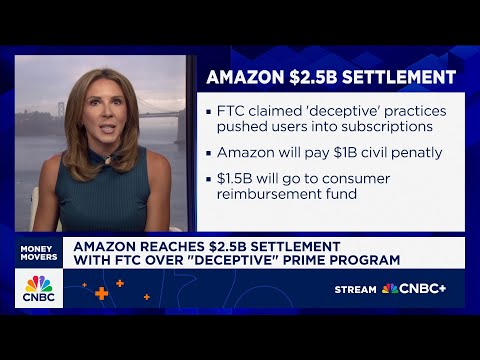
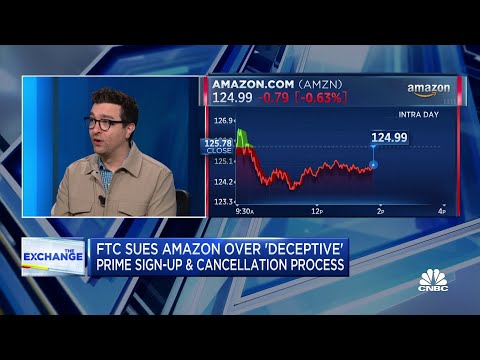
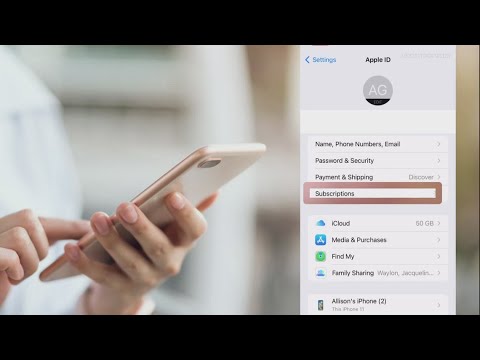
Curated Expert Video Walkthroughs & Wall Street Briefings
Frequently Asked Questions (Verified Statutory Answers)
Q1: How do I know if I am eligible for an FTC Amazon Prime settlement refund?
Eligible consumers are typically individuals who enrolled in Prime through confusing checkout prompts and had minimal or zero benefit usage, or those who attempted to cancel through Project Iliad's multi-step screens and abandoned the process. When settlement claims open, notice will be sent directly via email and published at FTC.gov.
Q2: Can I get an immediate refund from Amazon right now without waiting for the lawsuit?
Yes. If you haven't used any Prime benefits (such as streaming or free shipping) during your current billing period, Amazon's policy automatically provides a full refund upon cancellation. For older months, contacting customer service chat and stating that you were enrolled without consent will frequently result in multi-month refunds.
Q3: What is a 'dark pattern' in online retail?
A dark pattern is a deceptive user interface designed by companies to trick users into doing things they might not otherwise do—such as pre-checking recurring subscription boxes, hiding cancellation buttons in tiny fonts, or using confusing double negatives to prevent cancellations.
Q4: What is the new FTC 'Click-to-Cancel' rule?
The FTC Click-to-Cancel Rule (16 C.F.R. Part 425) is a federal trade regulation mandating that businesses must make canceling a subscription as simple as signing up. If you signed up online in 1 click, you must be able to cancel online in 1 click without navigating mandatory multi-screen retention pitches or calling phone hotlines.
Q5: Will canceling Amazon Prime affect my regular Amazon orders or account?
No. Canceling Prime only revokes Prime-specific perks (free two-day shipping, Prime Video, Prime Reading). Your Amazon customer account remains completely open, allowing you to browse, purchase items, and qualify for free standard shipping on orders meeting the minimum order threshold.
Q6: Where do I submit a complaint if Amazon refuses to refund unauthorized Prime charges?
Submit a formal consumer complaint to the Federal Trade Commission at ReportFraud.ftc.gov, file a complaint with your state Attorney General Consumer Protection division, and contact your credit card issuer to initiate a billing error dispute under the Fair Credit Billing Act (FCBA).

Curated Expert Insights & Verified Consumer Disclosures
“Companies spend immense resources engineering digital mazes to trap consumers into subscriptions they never wanted and cannot cancel. Our Click-to-Cancel rule and enforcement against dark patterns ensure that cancelling a subscription must be as easy as signing up—period.”
“If you discovered Amazon Prime charges on your card that you didn't knowingly authorize, reach out to customer chat immediately. If you have zero Prime orders during those billing cycles, their internal billing algorithm will issue an instant refund rather than risking a formal chargeback dispute.”